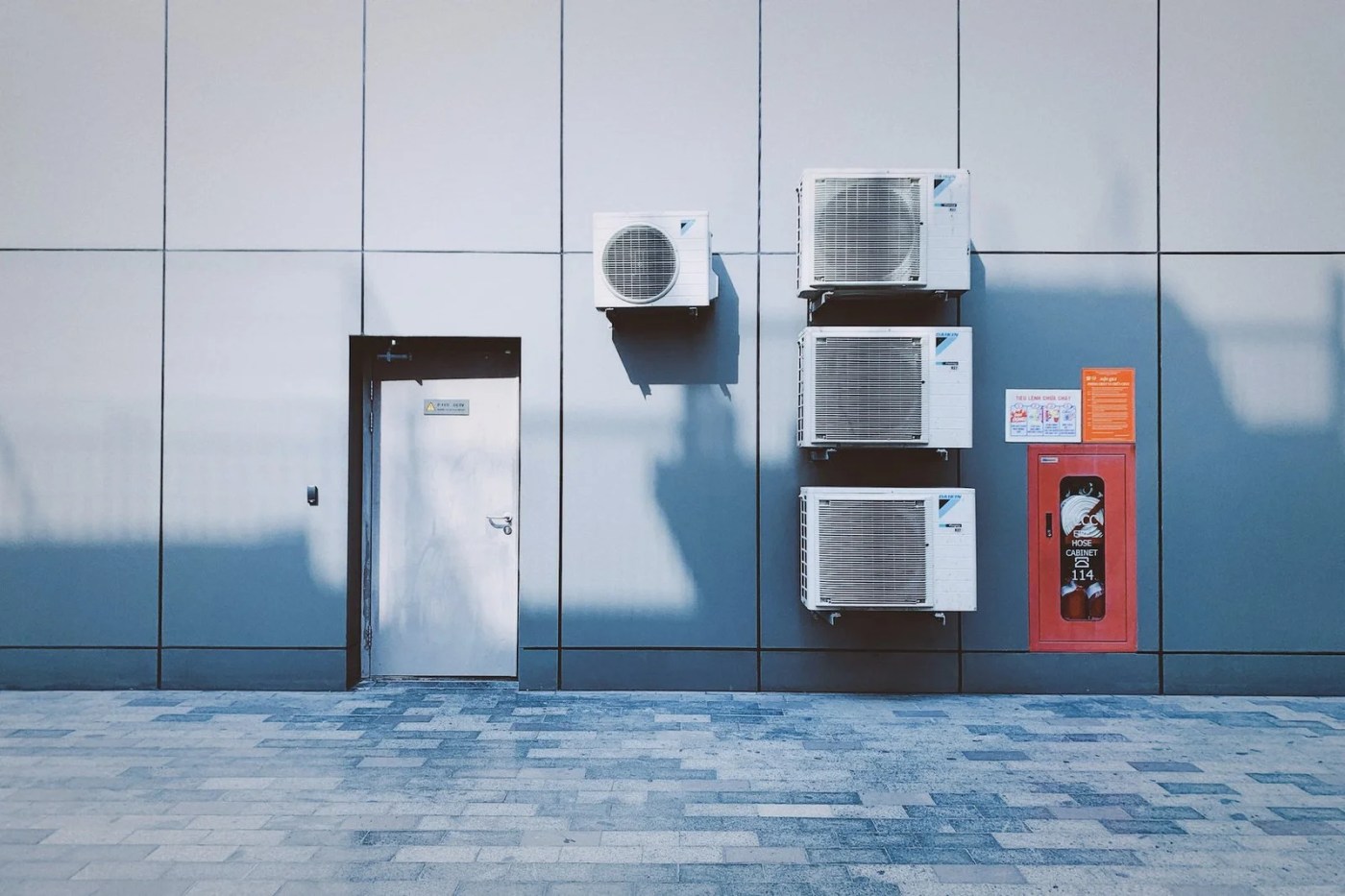
Air conditioning has become an essential part of modern life, providing comfort in homes, workplaces, and public spaces. As global temperatures continue to rise and energy demand increases, understanding how air conditioning systems affect energy consumption and indoor air quality has never been more important. Whether you are upgrading your home system or managing a large commercial facility, making informed choices about air conditioning technology can have a profound effect on efficiency, environmental sustainability, and overall health. This is especially true for anyone researching air conditioning orange, where optimizing comfort and energy use go hand in hand.
Energy Consumption and Efficiency
Air conditioning systems are among the largest consumers of electricity in residential and commercial buildings. In many regions, cooling can account for up to 40% of total energy usage during the warmest months. The energy efficiency of an air conditioning system is commonly measured by its Seasonal Energy Efficiency Ratio (SEER) or Energy Efficiency Ratio (EER). A higher SEER or EER rating indicates a more efficient system that uses less electricity to produce the same cooling effect.
Modern air conditioning systems have evolved significantly, thanks to innovations like inverter compressors, variable-speed fans, and smart thermostats. These technologies enable the system to dynamically adjust output based on cooling demand, reducing energy waste. Smart thermostats can learn usage patterns and automatically optimize temperature settings, helping lower utility bills and minimize strain on the power grid.
However, energy efficiency is not only about technology. Proper system sizing, insulation, and regular maintenance are crucial. Installing an oversized or undersized unit can lead to excessive energy use, uneven cooling, and mechanical wear. Regularly cleaning filters, coils, and ducts ensures the system operates at peak efficiency and maintains consistent airflow.
The Environmental Impact of Cooling Systems
While air conditioning provides comfort, it also contributes to greenhouse gas emissions, both directly and indirectly. Indirect emissions result from the generation of electricity that powers the system, especially if the energy source is fossil fuel–based. Direct emissions occur through the release of refrigerants, which are potent greenhouse gases if not properly contained or recycled.
The shift toward environmentally friendly refrigerants, such as R-32 and R-454B, represents a significant step forward in reducing the environmental footprint of air conditioning systems. Regulations and international agreements like the Montreal Protocol have phased out older, ozone-depleting refrigerants, such as R-22. As a result, modern systems are designed to be more sustainable, efficient, and compliant with global environmental standards.
In addition to refrigerant management, integrating renewable energy sources, such as solar-assisted cooling systems, further reduces reliance on traditional power sources. These systems can significantly cut operational costs and carbon emissions while maintaining reliable comfort.
Indoor Air Quality and Health Considerations
Energy efficiency is only part of the equation. Air conditioning systems also directly impact indoor air quality (IAQ), a critical factor in maintaining occupant health and well-being. Poor IAQ can lead to respiratory issues, allergies, and discomfort, especially in enclosed spaces with limited ventilation.
Modern air conditioning units often incorporate advanced filtration systems, such as HEPA filters, activated carbon filters, or UV light sanitation. These features help remove pollutants, dust, mold spores, and pathogens from the air, creating a healthier indoor environment. Proper humidity control is another benefit of well-maintained systems; keeping humidity between 40–60% helps prevent mold growth and enhances comfort.
Regular maintenance is vital to ensure optimal IAQ. Dirty filters, clogged ducts, and neglected coils can harbor bacteria and allergens, resulting in poor air quality. Scheduled inspections, professional cleaning, and timely component replacements can significantly improve both air quality and system performance.
Balancing Comfort, Efficiency, and Sustainability
The key challenge in modern cooling technology lies in balancing comfort with sustainability. Consumers and businesses alike are seeking solutions that provide effective cooling while minimizing energy use and environmental impact. Investing in energy-efficient equipment and integrating smart management systems is an effective way to achieve this balance.
Moreover, raising awareness of responsible use, such as setting thermostats to moderate levels, using energy-saving modes, and closing windows during cooling, can greatly enhance efficiency. Combining these habits with eco-friendly technology helps ensure that comfort doesn’t come at the expense of the planet.
Final Thoughts
The impact of air conditioning extends far beyond temperature control. It influences how we consume energy, protect the environment, and maintain our health indoors. By adopting high-efficiency systems, sustainable refrigerants, and rigorous maintenance practices, individuals and organizations can significantly reduce their environmental footprint and improve indoor living conditions.
Ultimately, the future of air conditioning depends on innovation and conscious usage. Systems that optimize both energy performance and air purity are no longer luxuries; they are necessities for sustainable living. The growing awareness around efficient air conditioning orange solutions reflects a shift toward brighter, cleaner, and more responsible cooling for the years ahead.
 Teknivo – The Pulse of Modern Tech
Leave a comment